Exploring Watercolor Techniques with Ashna Popal
Watercolor painting is a captivating art form that allows artists to express their creativity through fluid colors and delicate brushwork. In this blog post, we will explore various watercolor techniques with the talented artist Ashna Popal. Whether you are a beginner or an experienced painter, Ashna’s insights will inspire you to experiment and enhance your watercolor skills.
Understanding Watercolor Basics
Before diving into specific techniques, it’s essential to grasp the fundamentals of watercolor painting. Watercolors are made of pigments suspended in a water-soluble binder. This unique composition allows for a range of effects, from transparent washes to vibrant, opaque layers.
Essential Materials
To get started with watercolor painting, you will need the following materials:
Watercolor Paints: Available in tubes or pans, choose a set that includes primary colors for mixing.
Watercolor Paper: Look for paper specifically designed for watercolor, as it can handle the moisture without warping.
Brushes: A variety of brushes, including round and flat, will help you achieve different effects.
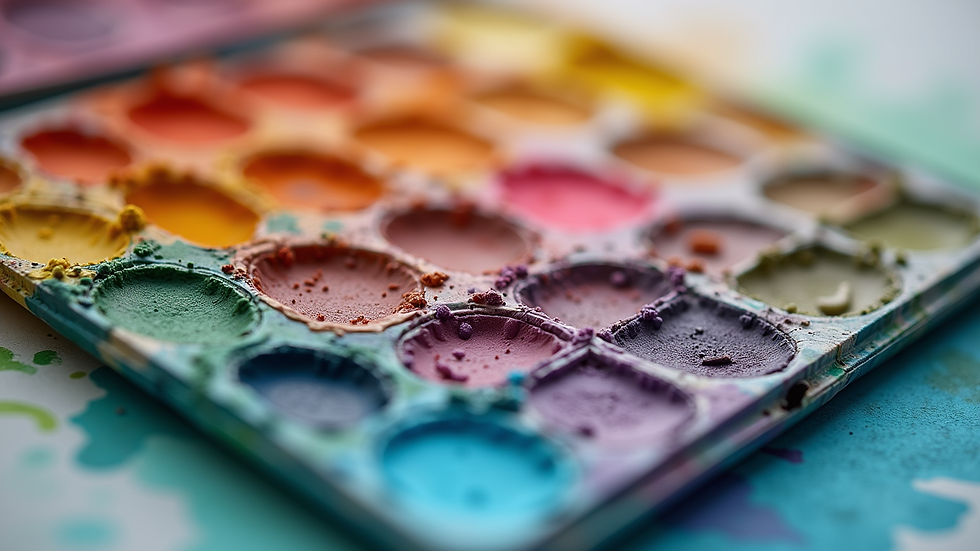
Palette: A mixing palette is essential for blending colors.
Water Container: Keep a container of clean water nearby for rinsing brushes and diluting paint.
Techniques to Explore
1. Wet-on-Wet Technique
The wet-on-wet technique involves applying wet paint onto wet paper. This method creates soft edges and beautiful blends of color. Here’s how to do it:
Step 1: Wet your watercolor paper with clean water using a large brush.
Step 2: While the paper is still wet, apply your chosen colors. Watch as they blend and flow into one another.
This technique is perfect for creating backgrounds or atmospheric effects in landscapes.
2. Wet-on-Dry Technique
In contrast to wet-on-wet, the wet-on-dry technique involves applying wet paint onto dry paper. This method allows for more control and defined edges. Here’s how to use it:
Step 1: Ensure your paper is completely dry.
Step 2: Load your brush with paint and apply it directly to the dry surface.
This technique is ideal for adding details and sharp lines to your artwork.
3. Dry Brush Technique
The dry brush technique creates texture and fine lines. It involves using a brush with minimal water and paint. Here’s how to achieve this effect:
Step 1: Dip your brush into the paint and remove excess water.
Step 2: Lightly drag the brush across the paper to create a scratchy, textured effect.
This technique works well for depicting rough surfaces, such as tree bark or rocky landscapes.
4. Glazing Technique
Glazing involves layering transparent washes of color to create depth and richness. Here’s how to apply this technique:
Step 1: Allow your first layer of paint to dry completely.
Step 2: Apply a second layer of a different color on top, ensuring it is transparent.
This technique is excellent for creating shadows and highlights in your paintings.
5. Salt Technique
Using salt can create unique textures in your watercolor paintings. Here’s how to use this fun technique:
Step 1: Apply a wash of wet paint to your paper.
Step 2: While the paint is still wet, sprinkle salt over the surface.
Step 3: Allow the paint to dry completely before brushing off the salt.
The salt absorbs the paint and creates interesting patterns, adding an unexpected element to your artwork.
Tips for Success
Practice Regularly
Like any skill, watercolor painting improves with practice. Set aside time each week to experiment with different techniques and styles. Don’t be afraid to make mistakes; they often lead to unexpected discoveries.
Experiment with Color Mixing
Understanding how to mix colors is crucial in watercolor painting. Start with primary colors and experiment with creating secondary and tertiary colors. Keep a color chart to track your mixes and find your favorite combinations.
Use Reference Images
When starting a new painting, using reference images can help guide your composition and color choices. Look for images that inspire you and try to replicate the colors and techniques used.
Keep a Sketchbook
Maintaining a sketchbook allows you to practice your techniques and ideas without the pressure of creating a finished piece. Use it to experiment with different styles, colors, and compositions.
Join a Community
Connecting with other watercolor artists can provide valuable feedback and inspiration. Consider joining local art groups or online communities where you can share your work and learn from others.
Ashna Popal’s Artistic Journey
Ashna Popal is a passionate watercolor artist known for her vibrant landscapes and intricate floral designs. Her journey began as a child, where she found joy in painting and expressing her emotions through art. Over the years, she has honed her skills and developed a unique style that resonates with many art enthusiasts.
Inspiration Behind Her Work
Ashna draws inspiration from nature, often capturing the beauty of landscapes and flowers in her paintings. She believes that art is a reflection of one’s experiences and emotions, and she strives to convey a sense of tranquility and joy through her work.
Workshops and Classes
Ashna offers workshops and classes for aspiring watercolor artists. Her teaching style emphasizes hands-on practice and encourages students to explore their creativity. Participants learn various techniques, from basic washes to advanced layering, all while receiving personalized feedback.
Conclusion
Exploring watercolor techniques with Ashna Popal opens up a world of creativity and expression. By understanding the basics and experimenting with different methods, you can develop your unique style and create stunning artworks. Remember to practice regularly, embrace mistakes, and connect with fellow artists.
Take the plunge into the world of watercolor painting, and let your imagination flow! Whether you are painting serene landscapes or vibrant florals, the possibilities are endless. Happy painting!
Comments